Yamaha NTX700 - When Power Matters
- Yamaha
- Archive review
From our archive. This review was published on GuitarFella and has not been re-tested. Specifications describe the model as it shipped then — check what Yamaha makes now before you buy.
You don't often see jumbos in the entry level range, at least not when it comes to general recommendations. Now, add a set of decent electronics to it, and you have a borderline unicorn. Or, as we like to call it, the Yamaha NTX700. Everything about this guitar screams quality, but it also comes with a decent price. For this reason, it barely squeezes itself into our list of top acoustic guitars for beginners, but boy is it worth it. Let's do a short rundown of what this thing brings to the table.
 Acoustic-electric jumbo configuration requires a set of electronics that can keep up with the extended lower end. Otherwise, you get a very messy tone that is hard to work with, no matter what kind of EQ you insert in the signal chain. Lucky for us, Yamaha's A.R.T system is more than capable of handling this bad boy. Tone reproduction is fairly authentic, while a great three band EQ allows for a good amount of tone shaping.
Body & Neck
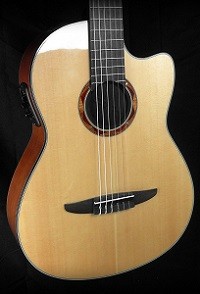
Word jumbo in the first sentence should tell you exactly what to expect. This is a big sucker and chances are that not everyone will be able to play it comfortably. Yamaha chose a solid spruce top for this model, in combination with nato back and sides. The neck is also made of nato wood and features a rosewood fretboard on top. Aside from solid materials and proven design, you also get a fair bit of nice details. We're talking a well-designed rosette, black binding all around the top and a pretty refined finish.Hardware
In terms of hardware, there's not much out of the ordinary going on here. Yamaha NTX700 comes with a rosewood bridge that sports a compensated saddle. The material the saddle and nut are made of is your standard synthetic, although one that gets the job done. One of the most sensitive components on any entry level to mid range guitar are the tuners. In this case, Yamaha installed a set of their die cast machines, which do a great job at retaining the key of the instrument.Electronics
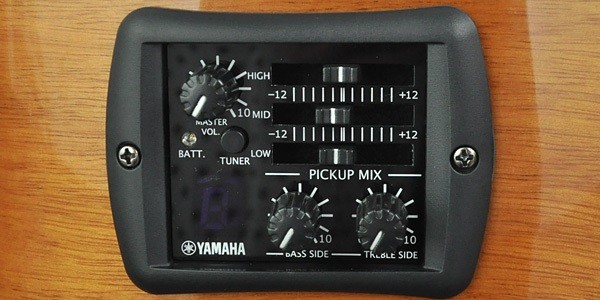
Acoustic-electric jumbo configuration requires a set of electronics that can keep up with the extended lower end. Otherwise, you get a very messy tone that is hard to work with, no matter what kind of EQ you insert in the signal chain. Lucky for us, Yamaha's A.R.T system is more than capable of handling this bad boy. Tone reproduction is fairly authentic, while a great three band EQ allows for a good amount of tone shaping.